Unlock the Secret to Authentic Homemade New York Style Bagels (The Overnight Way!)
There's nothing quite like the unmistakable chew, the subtle sweetness, and the delightfully blistered, shiny crust of a true New York-style bagel. While many quick recipes promise a shortcut to bagel bliss, the truly iconic taste and texture often come from embracing a bit more tradition. If you've been dreaming of recreating that quintessential New York bagel experience in your own kitchen, but felt intimidated by complex methods, you're in the right place. This beginner's guide to hand-rolled overnight bagels is designed to demystify the process, empowering you to bake a batch of superior homemade New York style bagels that will rival your favorite deli.
Forget the rush of a morning bake; our journey begins the night before. This overnight approach isn't just about convenience—though preparing the dough ahead certainly makes for a smoother morning—it's about developing profound flavor and the perfect texture through a slow, cold fermentation. We're going all-in on traditional ingredients and techniques, from hand-rolling the dough into ropes to the essential barley malt syrup, ensuring every bite is a testament to classic bagel artistry. Don't worry if you're a novice baker; this guide breaks down every step, making the pursuit of the perfect bagel an achievable and incredibly rewarding adventure.
Why Choose Hand-Rolled Overnight New York-Style Bagels?
You might be wondering, with so many "easy" bagel recipes out there, why bother with an overnight, hand-rolled method? The answer lies in the unparalleled quality and depth of flavor these traditional techniques impart. It’s the difference between a good bagel and a truly exceptional one.
The Pursuit of Perfection: Texture, Crust, and Flavor
The allure of a New York bagel isn't just in its taste, but its entire sensory experience. Traditional methods yield a bagel with a distinct personality:
- Unrivaled Chewiness: Thanks to high-protein bread flour and proper hydration, these bagels boast a dense, satisfying chew that quick recipes simply can't replicate.
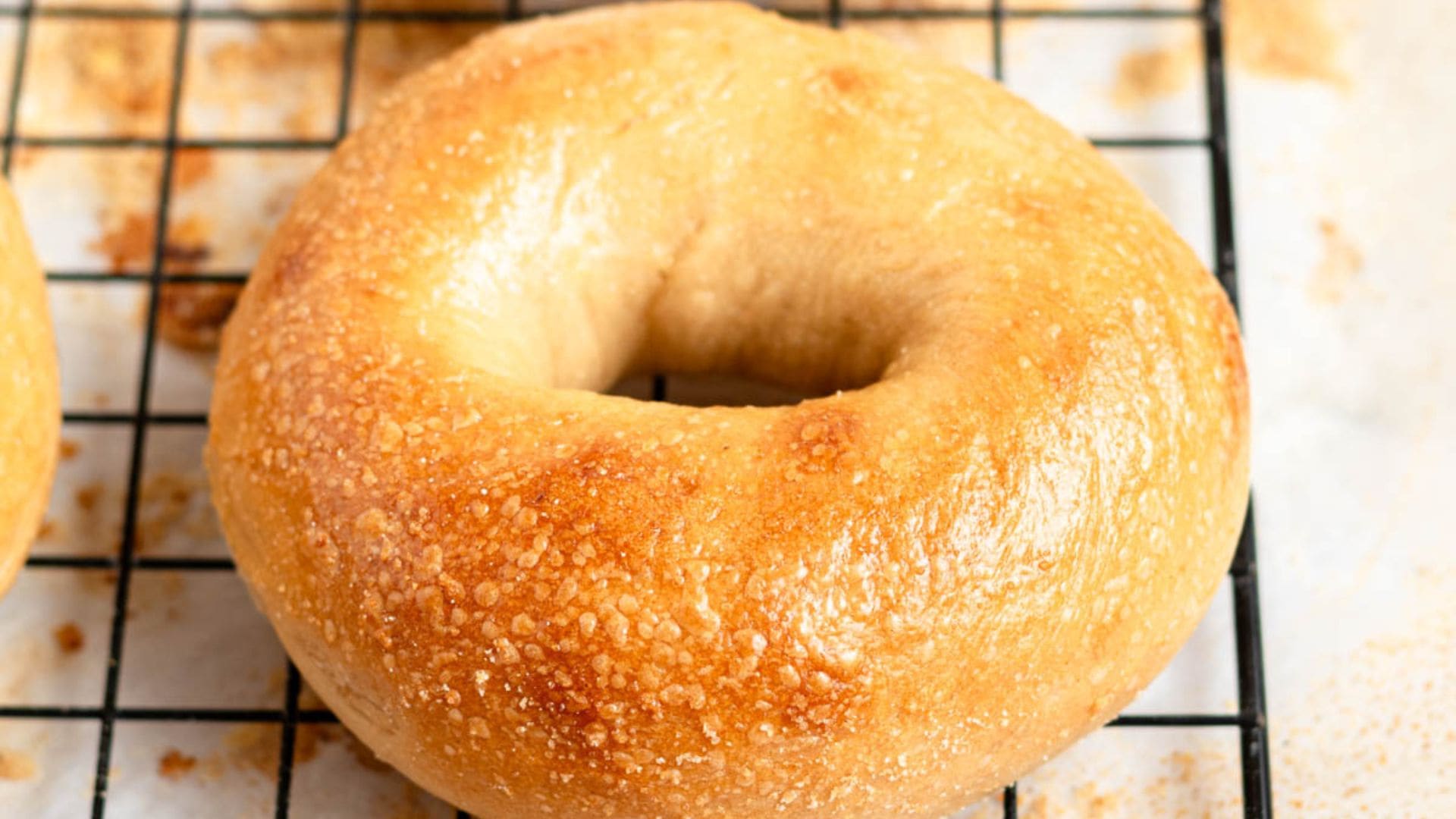
- Blistered, Shiny Crust: The hallmark of a great New York bagel. This is achieved through a combination of boiling in malt-infused water and high-temperature baking, resulting in a thin, crisp crust that shatters slightly with each bite.
- Subtle Sweetness and Depth: Barley malt syrup isn't just a sweetener; it’s a flavor enhancer. It contributes to the golden-brown crust, the rich color, and a unique, nuanced sweetness that defines the authentic taste profile. To dive deeper into how these ingredients and techniques contribute to that iconic flavor, check out our article on Unlocking Classic NY Bagel Taste: Rope-Roll & Barley Malt.
While quick, 2-hour recipes are fantastic for instant gratification, they often sacrifice the complex flavors and textures that slow fermentation and traditional shaping provide. This overnight recipe delivers a demonstrably better bagel, closer to what you envision when you think of a truly classic New York-style bagel.
Overnight Convenience, Morning Freshness
The term "overnight" might sound like more work, but it actually translates to incredible convenience. The bulk of the dough preparation and fermentation happens while you sleep. This means that in the morning, all that stands between you and a fresh, warm bagel is a quick boil and bake. Imagine waking up to the aroma of freshly baked bagels—no need to set your alarm for 4 AM to start the dough. The cold fermentation also contributes significantly to the bagel's structure and flavor development, making the waiting period a crucial part of the magic.
The extended rest in the refrigerator allows the yeast to work slowly, developing complex flavors that aren't present in rapid-rise doughs. It also strengthens the gluten network, contributing to that signature chewy texture. This is a key differentiator when comparing Homemade NY Bagels: Overnight Tradition vs. 2-Hour Perfection.
Mastering the Art of Hand-Rolling: A Beginner's Guide
Don't be daunted by the term "hand-rolled." While it might seem more complex than simply poking a hole in a dough ball, it's a technique that yields a more uniform, robust bagel. And yes, it's entirely achievable for beginners!
Dough Preparation: The Foundation of Flavor
Your journey to perfect homemade New York style bagels begins with the right ingredients and proper dough mixing. Gather your essentials:
- High-Quality Bread Flour: Essential for high gluten content, which gives bagels their chew.
- Barley Malt Syrup: Non-negotiable for authentic flavor, color, and crust. Don't substitute with honey or other sweeteners if you want true NY flavor.
- Yeast, Water, Salt: The usual suspects for any bread dough. Ensure your water temperature is correct for activating the yeast without killing it.
Mixing the dough is straightforward. While a stand mixer with a dough hook is convenient, kneading by hand is absolutely possible and incredibly therapeutic. If kneading by hand, be prepared for a good arm workout – aim for a smooth, elastic dough that passes the windowpane test (you can stretch a small piece thin enough to see light through it without tearing).
The Overnight Fermentation: Patience Pays Off
Once your dough is kneaded, it's time for its beauty sleep. After an initial short rise at room temperature, the dough goes into the refrigerator for 12-24 hours. This slow, cold fermentation is where the magic happens:
- Flavor Development: Enzymes in the flour break down starches into sugars, which the yeast then converts into flavorful compounds.
- Gluten Strengthening: The cold temperature allows the gluten strands to relax and lengthen, leading to a stronger, more elastic dough that holds its shape better and provides that incredible chew.
- Improved Texture: The slow rise produces a finer crumb and a more consistent texture throughout the bagel.
Shaping Like a Pro: The Rope-Roll Method
This is where "hand-rolled" comes into play, distinguishing these bagels from the "poke-a-hole" variety. The rope-roll method creates a stronger, more uniform structure and helps prevent the hole from closing up during baking.
- Divide the Dough: Portion your cold dough into equal pieces. Cold dough is easier to handle and less sticky.
- Roll into Ropes: On a lightly floured surface, gently roll each piece into a uniform rope, about 8-10 inches long. The trick is even pressure to avoid thin spots.
- Form the Ring: Overlap the ends by about an inch, then firmly roll the overlapping section against your work surface with your palm to seal them together. This creates a strong seam. Don't be afraid to apply a little pressure; a weak seam will lead to your bagels "unzipping" during boiling or baking.
Practice makes perfect! Your first few might not be symmetrical, but you'll quickly get the hang of it. The goal is a consistently shaped bagel that will cook evenly.
Boil and Bake: The Magic Touch
The morning after, your cold, shaped bagels are ready for their transformation:
- The Boil: Prepare a large pot of water with a tablespoon or two of barley malt syrup (or baking soda for extra alkalinity, though malt syrup is more traditional). Boil the bagels for 30-60 seconds per side. Boiling gelatinizes the starches on the surface, creating that signature shiny, blistered crust and chewy interior.
- The Bake: Immediately after boiling, drain the bagels well and transfer them to a parchment-lined baking sheet. Add any desired toppings now (sesame seeds, poppy seeds, everything seasoning). Bake in a hot oven (around 425-450°F / 220-230°C) until deep golden brown and glorious.
Essential Tips for Your Best Homemade New York Style Bagels
- Don't Fear the Dough: Dough is forgiving. If it's too sticky, add a little flour; if it's too dry, a tiny splash of water. Trust your senses.
- Measure Accurately: Especially with flour, use a kitchen scale for precision. Volume measurements can be inconsistent.
- Embrace Barley Malt Syrup: While you might be tempted to substitute, barley malt syrup is key to the authentic taste and crust. It's available at specialty food stores or online.
- Cold Dough is Your Friend: When shaping, working with cold dough straight from the fridge is significantly easier and yields better results.
- Preheat Your Oven Thoroughly: A hot oven from the start ensures proper oven spring and a crisp crust.
- Cool Before Slicing: As tempting as it is, let your bagels cool for at least 15-20 minutes before slicing. This allows the internal structure to set and prevents a gummy texture.
Homemade Bagels: A Culinary Journey Beyond the Quick Fix
While the word "traditional" can be relative—with regional variations like steamed Chicago bagels, honey-sweetened Montreal bagels, or Poland's pretzel-like obwarzanki krakowski—our focus here is firmly on the iconic characteristics of the New York bagel. This recipe is a homage to that specific tradition, delivering results far superior to typical 2-hour versions.
Making your own homemade New York style bagels from scratch is more than just baking; it's an experience. It's an investment of time and love that pays off in every chewy, flavorful bite. The satisfaction of pulling a tray of perfectly golden, hand-rolled bagels from your oven, ready to be slathered with cream cheese, is truly incomparable. So, gather your ingredients, clear your schedule for an evening of dough prep, and prepare to embark on a delicious journey that will elevate your baking skills and delight your taste buds.
