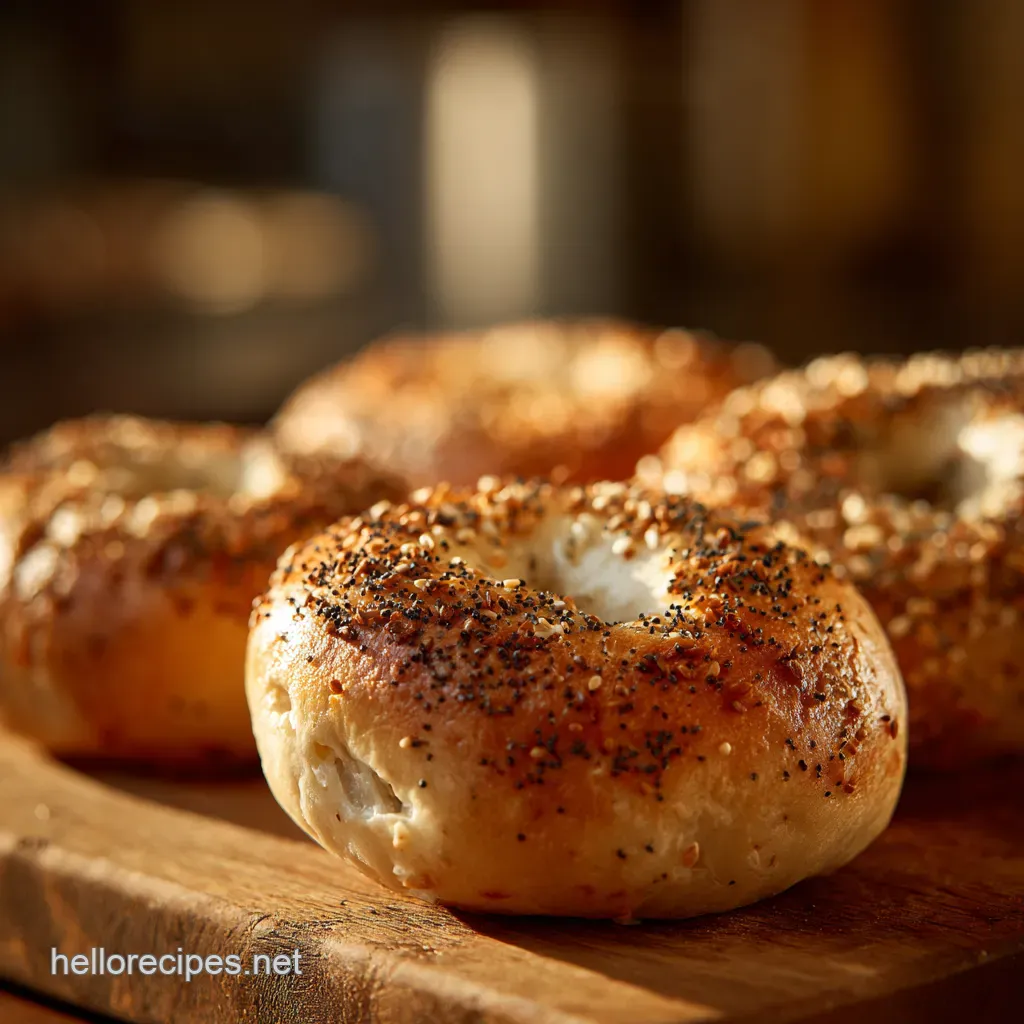
Unlocking Classic NY Bagel Taste: Rope-Roll & Barley Malt at Home
There's nothing quite like a fresh, chewy bagel, perfectly golden with a subtly crisp crust, especially when it's slathered with cream cheese. But for many, the pinnacle of bagel perfection lies in the iconic New York style – a dense, satisfying chew, a hint of malty sweetness, and that unmistakable shiny, blistered exterior. While convenient bagel recipes abound, achieving truly authentic **homemade new york style bagels** demands a return to tradition. This journey takes us through two crucial techniques: the skilled art of rope-rolling and the nuanced flavor contribution of barley malt syrup. Prepare to elevate your baking skills and bring that quintessential taste of the Big Apple right into your kitchen.
The Heart of the Matter: Why Rope-Rolling Reigns Supreme for Authentic Shape
When it comes to crafting classic **homemade new york style bagels**, the shaping method is far more than just aesthetics; it's fundamental to texture and consistency. While many quicker, beginner-friendly recipes suggest simply poking a hole through a ball of dough, the traditional rope-roll method is the gold standard for a reason. This technique involves rolling a piece of dough into a thin rope, then looping it around and sealing the ends.
Why is this superior? The rope-roll method creates a more even distribution of dough, resulting in a bagel with a consistent density throughout. When you poke a hole, you inevitably compress some of the dough, leaving an uneven structure that can lead to a less uniform chew. The rope-rolled bagel, by contrast, develops a natural, well-defined hole that holds its shape beautifully through boiling and baking, contributing to that signature chewy interior without being overly bready. It also allows for greater control over the size and thickness of your bagels, ensuring they meet your ideal specifications for the perfect bite.
Mastering the rope-roll might seem intimidating at first, but it's a remarkably satisfying skill to acquire. The key lies in achieving the right dough consistency – it should be pliable but not overly sticky or dry, allowing for a smooth roll without tearing or excessive resistance. Even pressure during rolling is vital to create a rope of uniform thickness. When joining the ends, a gentle but firm pinch, often with a little moisture, ensures a secure seal that won't come apart during proofing or boiling. Don't be discouraged if your first few aren't perfect; practice truly makes perfect. For a comprehensive walkthrough, consider exploring a detailed
Beginner's Guide to Hand-Rolled Overnight New York Bagels that will walk you through each step. Embrace the process, and you'll soon be shaping bagels like a seasoned pro, laying the groundwork for truly authentic results.
The Sweet Secret: Unveiling the Magic of Barley Malt Syrup
Beyond the technique, the very soul of a **homemade new york style bagel** lies in its ingredients. And among these, barley malt syrup holds a revered, almost mystical place. This thick, sticky sweetener, derived from malted barley, is not just another sugar; it's a cornerstone of the traditional New York bagel flavor profile, contributing far more than simple sweetness.
Barley malt syrup plays a multifaceted role in transforming humble dough into a culinary masterpiece. Firstly, it imparts a distinct, earthy sweetness with deep, complex malty undertones that regular sugar or even honey simply cannot replicate. This subtle richness is crucial for that characteristic depth of flavor that distinguishes a genuine New York bagel. Secondly, and perhaps even more critically, barley malt syrup is rich in active enzymes (amylase). These enzymes help break down starches in the flour into simpler sugars, which not only feed the yeast, promoting a more vigorous and flavorful fermentation, but also contribute significantly to the Maillard reaction during baking. This reaction is responsible for the glorious browning of the crust, resulting in that coveted shiny, blistered, and wonderfully crisp exterior. Without barley malt, bagels often emerge paler and lack the authentic sheen and chew.
While you might be tempted to substitute with honey or brown sugar, understand that doing so will fundamentally alter the end product. Honey brings a different floral note and lacks the enzymatic power, while brown sugar offers only sweetness without the malty depth or the same crust-enhancing properties. Sourcing barley malt syrup might require a trip to a specialty grocery store or an online order, but it is an investment truly worth making for anyone serious about achieving genuine **homemade new york style bagels**. Its unique qualities are irreplaceable, cementing its status as a non-negotiable ingredient for bagel purists.
Beyond the Basics: Achieving That Signature NY Bagel Texture
The journey to perfect **homemade new york style bagels** doesn't end with shaping and special ingredients; it continues through crucial fermentation, boiling, and baking stages, each contributing distinctively to the signature texture.
The Power of High-Protein Flour and Slow Fermentation
A fundamental component is the use of high-protein bread flour. Its elevated gluten content is what provides the structural integrity and chewiness essential for a New York bagel. When properly kneaded, this flour develops a strong gluten network, creating the dense, resilient crumb that withstands boiling and delivers that satisfying pull.
Equally vital is the *overnight fermentation* or cold proofing. This isn't merely for convenience, though preparing the dough the night before certainly allows for fresh bagels in the morning. More importantly, it's a flavor development powerhouse. The extended, slow fermentation in the cold environment allows the yeast to work gradually, breaking down complex carbohydrates and producing a deeper, more nuanced flavor profile. This process contributes significantly to the characteristic "bagel-y" taste, adding layers of yeasty, tangy complexity that simply cannot be achieved in a quick, two-hour recipe. For a deeper dive into the benefits and differences, read our comparison on
Homemade NY Bagels: Overnight Tradition vs. 2-Hour Perfection.
The Art of the Boil
Once proofed, bagels take a brief, transformative dip in boiling water. This isn't just about cooking; it's a critical step that gelatinizes the starches on the exterior of the dough. This gelatinized layer sets the crust, creating that distinctive crispness and chewiness that are hallmarks of a great bagel. The duration of the boil is key: too short, and the crust remains soft; too long, and the bagel can become too dense or rubbery. Typically, 30-60 seconds per side is sufficient to achieve the desired effect, locking in moisture and preparing the surface for baking.
The Final Bake: High Heat, Perfect Finish
Finally, the boiled bagels are transferred to a hot oven, often at temperatures around 425-450°F (220-230°C). The high heat causes a final burst of oven spring, allowing the bagels to puff up slightly before the crust sets completely. This rapid cooking ensures a beautifully golden-brown crust with those appealing blisters, while the interior cooks through to a dense, chewy perfection. While some traditional methods might involve baking steels or specific steaming techniques, a standard home oven with consistent high heat is perfectly capable of yielding superb results for your **homemade new york style bagels**.
Your Journey to Homemade New York Style Bagel Perfection
Embarking on the journey to bake **homemade new york style bagels** is an incredibly rewarding experience. It's a culinary adventure that connects you with time-honored traditions and results in a product far superior to most store-bought options. While the rope-rolling technique and the use of barley malt syrup might add a couple of extra steps compared to simpler recipes, the depth of flavor, the satisfying chew, and the truly authentic crust you achieve are undeniably worth the effort.
Don't be afraid to get your hands a little sticky and messy – that's part of the fun! Each batch you make will refine your technique, from kneading the dough to perfecting the rope-roll and understanding the nuances of your own oven. Imagine waking up to the aroma of freshly baked bagels, ready to be sliced, toasted, and shmeared with your favorite cream cheese or piled high with lox. These aren't just breakfast items; they're a testament to your passion for baking and a delicious expression of a cherished culinary tradition.
Experiment with toppings after the boil and before baking – classic sesame, poppy, everything seasoning, or even simple flaky salt. The beauty of baking at home is the complete creative control it offers. While other global bagel traditions (like Montreal's honey-sweetened versions or Chicago's steamed varieties) are delicious in their own right, our focus remains squarely on capturing that unmistakable New York essence. This pursuit of perfection is not just about following a recipe; it's about understanding the "why" behind each ingredient and each step, leading you to truly master the art of the bagel.
In conclusion, achieving genuinely authentic **homemade new york style bagels** is an endeavor that rewards patience, attention to detail, and a commitment to traditional methods. By embracing the elegant simplicity of rope-rolling, harnessing the distinct flavor and crust-enhancing power of barley malt syrup, and respecting the critical stages of overnight fermentation, boiling, and high-heat baking, you unlock a world of unparalleled flavor and texture. The result is a bagel that boasts a blistered, crisp crust, a satisfyingly chewy interior, and that unmistakable hint of malty sweetness – a true taste of New York, crafted with love in your own kitchen. So, gather your ingredients, clear your counter, and prepare to bake the best bagels you've ever tasted.