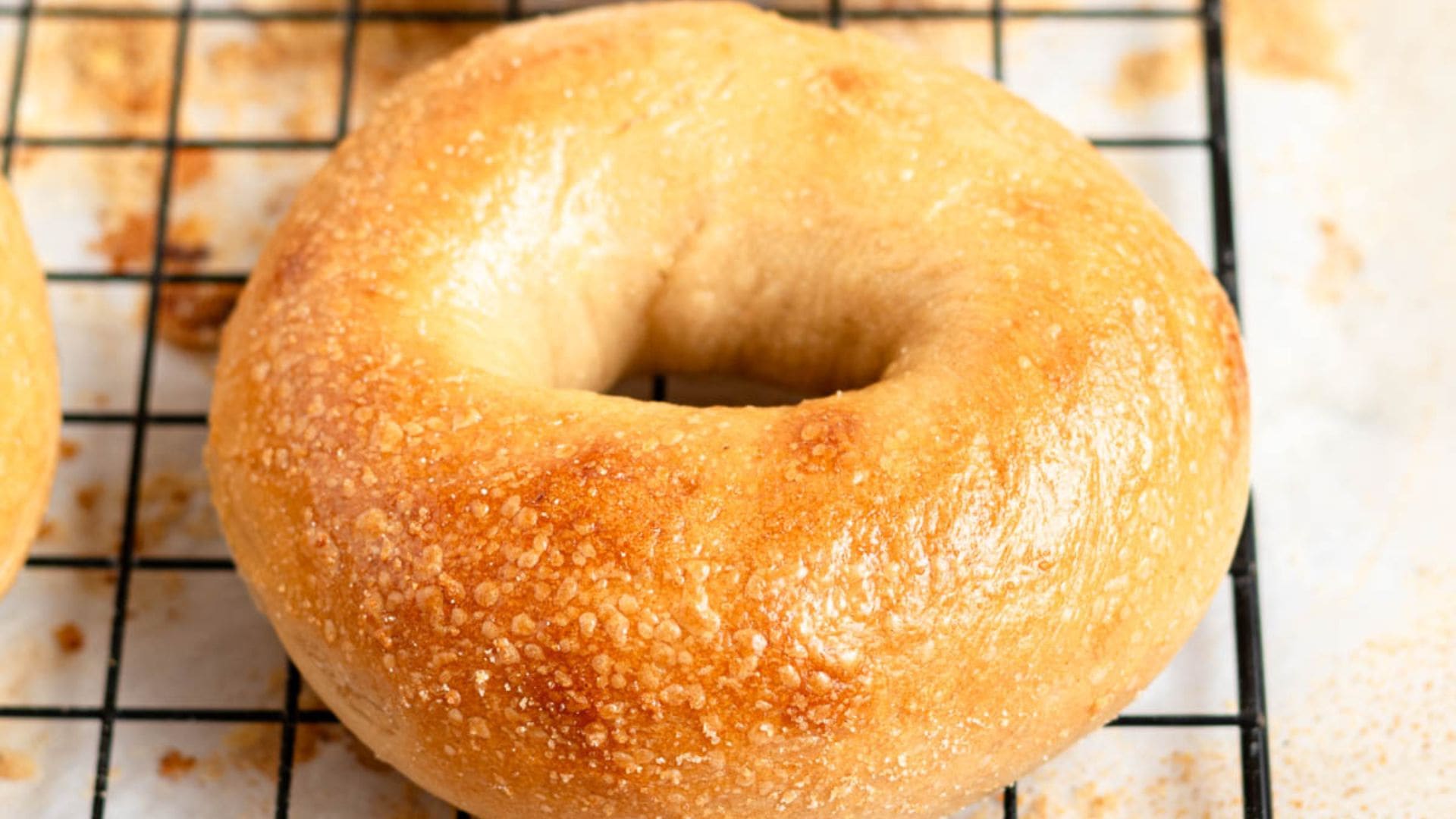
Homemade New York Style Bagels: Crafting Perfection at Home
There's nothing quite like biting into a freshly baked bagel: that distinct chewiness, the subtly crisp crust, and the comforting aroma that fills the kitchen. For many, the gold standard is the New York-style bagel, known for its dense, satisfying texture and signature blistered exterior. While a trip to the nearest bagel shop might be tempting, the sheer joy and immense satisfaction of creating authentic homemade New York style bagels right in your own kitchen is an experience every baker should savor. But which path leads to bagel bliss: the patient, overnight tradition, or the swift, 2-hour perfection?
This article delves into both popular approaches to making homemade bagels, comparing the traditional methods that yield that quintessential NY chew with quicker recipes designed for instant gratification. Whether you're a seasoned baker or a beginner eager to roll up your sleeves, understanding the nuances of each method will help you choose the perfect bagel-making adventure.
The Allure of Authentic Homemade New York Style Bagels
What sets a New York-style bagel apart? It's a combination of specific ingredients, meticulous technique, and a dash of regional pride. The hallmark is its intensely chewy interior complemented by a thin, shiny, and often blistered crust. This unique texture isn't accidental; it's the result of high-protein bread flour, a touch of sweetness typically from barley malt syrup, proper gluten development through kneading, and the crucial step of boiling before baking.
Achieving this balance at home can feel like a culinary quest, but it's an incredibly rewarding one. From the satisfying process of hand-rolling the dough to watching them puff up in the oven, making your own homemade New York style bagels transforms a simple breakfast into an artisan delight. And the best part? You control every ingredient, ensuring a fresh, wholesome treat free from unwanted additives.
The Overnight Tradition: Crafting Classic New York Style Bagels
For those who chase authenticity and believe that great flavor takes time, the overnight method for homemade New York style bagels is the pilgrimage worth taking. This approach closely mirrors traditional bagel shop practices, leveraging cold fermentation to develop unparalleled depth of flavor and a superior texture.
Key Elements of the Overnight Bagel
- Specialty Ingredients: The traditional recipe often calls for bread flour, with its higher protein content, which is essential for developing the strong gluten network that gives bagels their characteristic chew. Another star ingredient is barley malt syrup. This isn't just for sweetness; it contributes to the rich brown color, a hint of molasses-like flavor, and, most importantly, helps create that desirable shiny, blistered crust. While not always strictly necessary, it truly elevates the traditional bagel experience. For more on this, check out Unlocking Classic NY Bagel Taste: Rope-Roll & Barley Malt.
- Rope-Rolling Shaping Method: Unlike simply poking a hole in a ball of dough, traditional New York bagels are often shaped using the "rope-rolling" technique. This involves rolling the dough into a rope and then joining the ends. This method creates a more uniform hole and a stronger internal structure, which contributes to the bagel's signature dense chewiness and helps it maintain its shape through boiling and baking. If you're new to this, don't worry – many detailed guides, including our own Beginner's Guide to Hand-Rolled Overnight New York Bagels, break down the process with step-by-step visuals.
- The Magic of Cold Fermentation: This is arguably the most critical step in the overnight method. After an initial rise, the shaped bagels are refrigerated for 12-24 hours. The cold temperature significantly slows down yeast activity, allowing enzymes to break down starches into sugars. This process develops complex flavors, making the bagels more aromatic and delicious. It also firms up the dough, making it easier to handle and less prone to collapse during the boiling stage, contributing to a better rise and crust.
- Boiling and Baking: Before hitting the oven, these bagels take a quick dip in boiling water (often with a touch of baking soda or malt syrup). This brief boil gelatinizes the starches on the surface, creating that characteristic chewy crust and shiny exterior. Then, they're baked at a high temperature until golden brown and blistered.
The result of this overnight dedication? A bagel with a truly complex flavor profile, a robust, crisp crust that crackles slightly, and an interior that is dense, chewy, and deeply satisfying. These are the bagels that make you close your eyes and savor every bite.
The 2-Hour Perfection: Quick & Easy Homemade Bagels
Sometimes, the craving for fresh bagels strikes, and waiting overnight just isn't an option. This is where the 2-hour method for homemade New York style bagels shines. Designed for speed and convenience, these recipes allow you to go from flour to a warm, schmeared bagel in a fraction of the time, making them incredibly popular for busy weeknights or spontaneous weekend brunches.
The Convenience Factor
- Simpler Ingredients: Quick bagel recipes typically rely on basic pantry staples like all-purpose or bread flour, active dry yeast, water, salt, and sugar. Specialty ingredients like barley malt syrup are often optional or replaced with honey or brown sugar for a hint of sweetness. You won't find yogurt or maple syrup in these either, as many purists prefer to stick to foundational ingredients for a truly authentic taste experience.
- No Overnight Proofing: The most significant time-saver is skipping the cold fermentation. Dough is mixed, kneaded, given a relatively quick warm rise, shaped, boiled, and baked all within a couple of hours. This means less planning and more spontaneity.
- Poke-a-Hole Shaping: For maximum speed and ease, many quick recipes instruct you to shape the bagels by rolling dough into a ball and then poking a hole through the center with your finger. While this might not create the exact structural integrity of a rope-rolled bagel, it's incredibly efficient and still yields a perfectly functional and delicious bagel.
While these quicker bagels might not develop the same profound depth of flavor or the intensely blistered crust of their overnight counterparts, they are undeniably delicious. They offer a chewy texture, a pleasing crust, and the incomparable satisfaction of a warm, freshly baked bagel. For beginners, or anyone needing a quick fix, this method is a fantastic entry point into the world of homemade New York style bagels.
Decoding the Differences: Which Bagel Journey is Right for You?
Ultimately, the choice between the overnight tradition and the 2-hour perfection depends on your priorities, schedule, and desired outcome. Both methods yield truly wonderful homemade New York style bagels, but they cater to different needs.
- Time Commitment: The most obvious difference. Overnight bagels require planning, but much of the work is passive (cold proofing). 2-hour bagels are for immediate gratification.
- Flavor Development: The extended cold fermentation of the traditional method allows for more complex flavor compounds to develop, resulting in a richer, deeper taste. Quick bagels are fresh and delicious but typically have a simpler flavor profile.
- Texture: Traditional bagels often have a more pronounced chewiness and a crispier, more blistered crust thanks to the malt syrup, rope-rolling, and longer fermentation. Quick bagels are still chewy but might be slightly softer and less intensely blistered.
- Ingredients: Overnight recipes often lean into traditional specialty ingredients like barley malt syrup. Quick recipes prioritize accessibility with common pantry items.
It's also worth remembering that "traditional" is a relative term. Bagels across the globe boast diverse origins and characteristics. In Montreal, bagels are sweeter, smaller, and often flavored with honey and baked in wood-fired ovens. Chicago traditionally steams their bagels instead of boiling them. In Poland, you might find obwarzanki krakowski, a twisted, seed-coated cousin of the bagel. These variations highlight that while New York-style bagels have their own defined characteristics, the world of baked dough is wonderfully diverse. Both the overnight and 2-hour methods bring you closer to that iconic NY experience.
Mastering Your Homemade Bagel Journey: Tips for Success
No matter which method you choose, a few universal tips will elevate your homemade New York style bagels from good to unforgettable:
- Don't Skimp on Kneading: Proper gluten development is key for that signature chew. Whether by hand or with a mixer, knead until the dough is smooth, elastic, and passes the "windowpane test."
- Accurate Water Temperature: For yeast activation, ensure your water is warm but not hot (around 105-115°F or 40-46°C).
- The Boiling Bath is Crucial: Don't skip or shorten the boiling step. This sets the crust and creates the chewy exterior. A minute per side is a good starting point for most recipes. Adding a touch of barley malt or baking soda to the boiling water can enhance color and crust formation.
- High Heat Baking: Bagels love high heat. Bake them at a relatively high temperature (often 400-450°F or 200-230°C) to achieve a rapid rise and a beautifully browned, crisp crust.
- Experiment and Enjoy: The beauty of home baking is the freedom to experiment. Try both methods, adjust ingredients, and find what works best for your taste and schedule.
Whether you commit to the overnight tradition for a truly authentic deep-dive into homemade New York style bagels, or opt for the 2-hour perfection for a quicker, satisfying bake, the journey of making bagels from scratch is a delicious one. Grab your apron, pick your adventure, and prepare to enjoy the unparalleled taste of warm, freshly baked bagels right from your own oven.
